

Impact
A meal brings children to school. Everything else builds on that.
Here's the problem we're solving, how our programs change it, what the research says, and what we've measured ourselves.
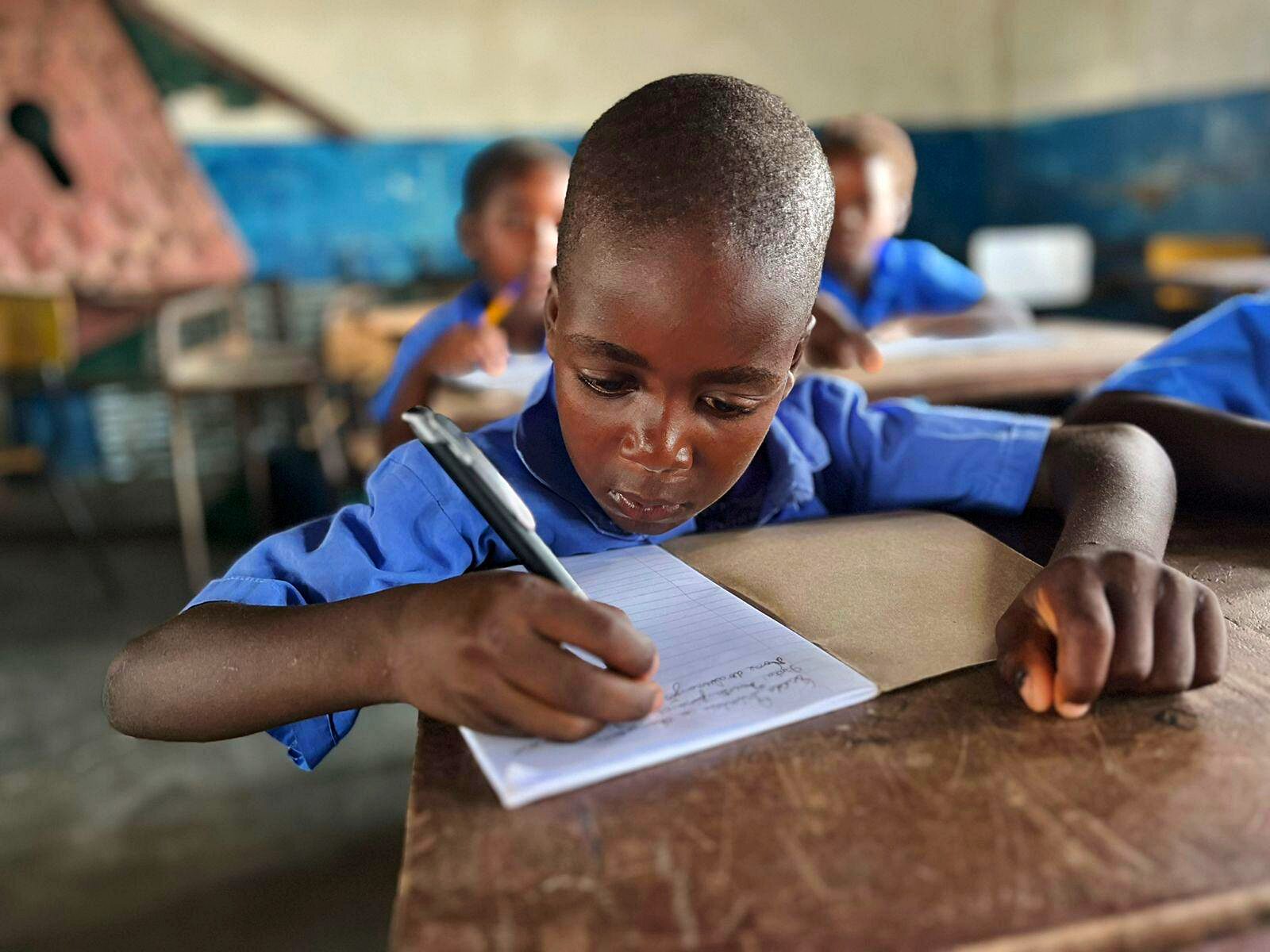
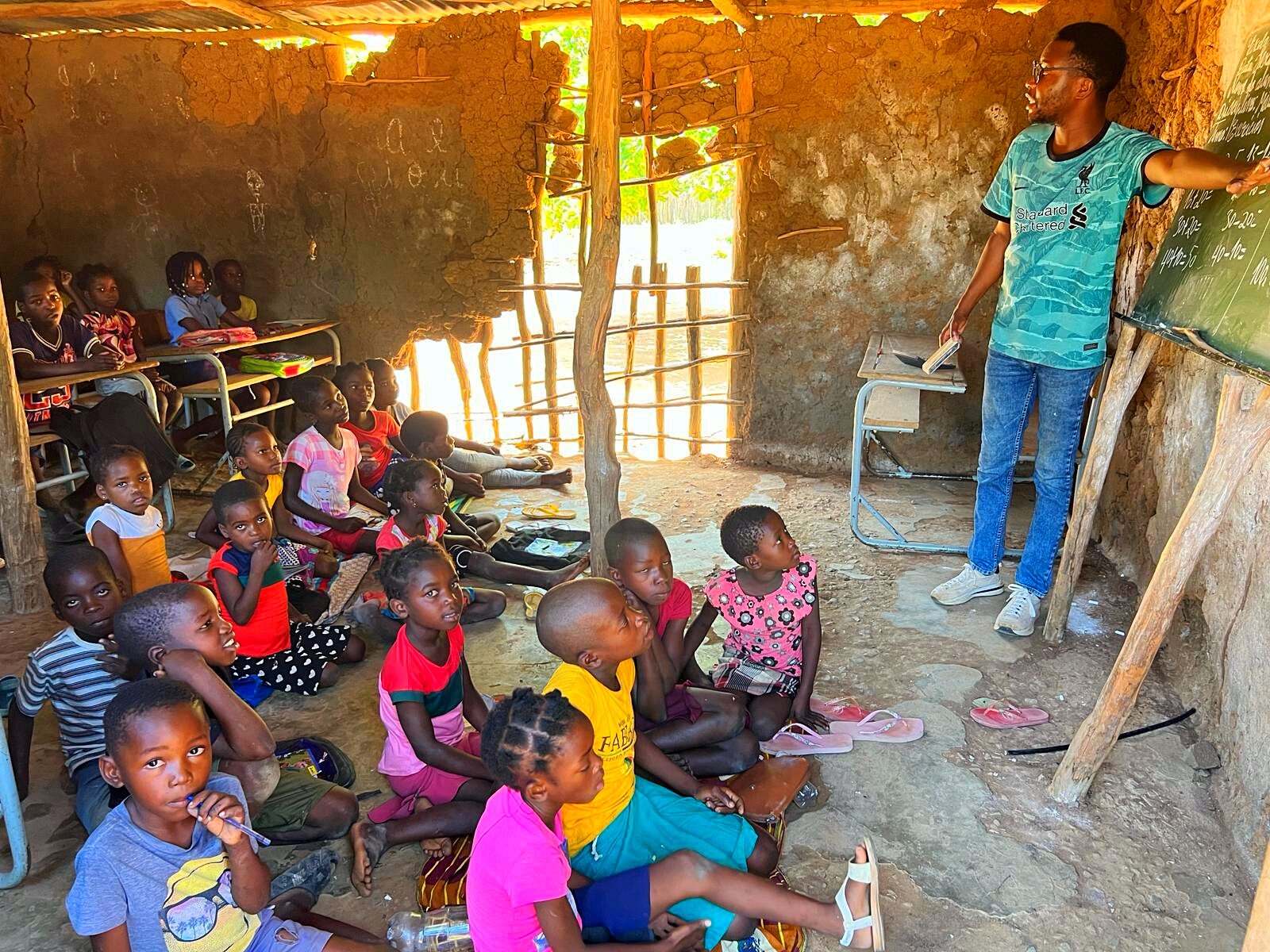
Where families are poor, children go hungry.
Mozambique has some of the highest rates of chronic child malnutrition in the world. Stunting in the first years of life affects a child's growth, health and ability to learn, and it's most common in the rural, low-income communities we serve.
70%
of Mozambican children live in poor households.
We follow the child, stage by stage.
Primary school lunches are the anchor. Where possible, we add preschool before and Avança+ after, so support grows along with the child.
Ages 2–5
Preschool
Two meals a day and early learning, so children arrive at first grade healthy and ready.
Grades 1–6 · The anchor
School feeding
A free, hot lunch every school day brings children to class and keeps them there.
Grades 7–12
Avança+
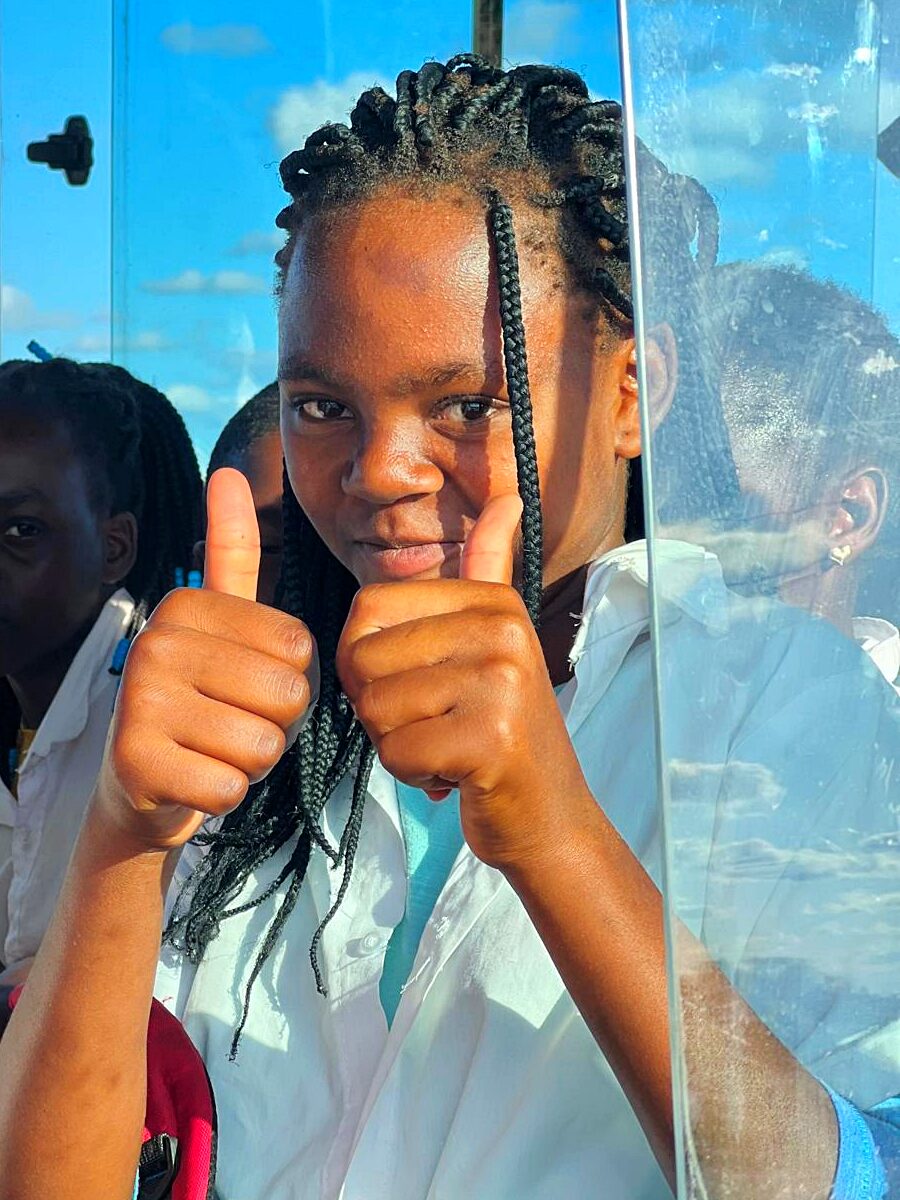
Transport, meals and mentorship carry students through secondary school.
The outcome
A child who finishes school, and a better chance to break the cycle of poverty.
School feeding
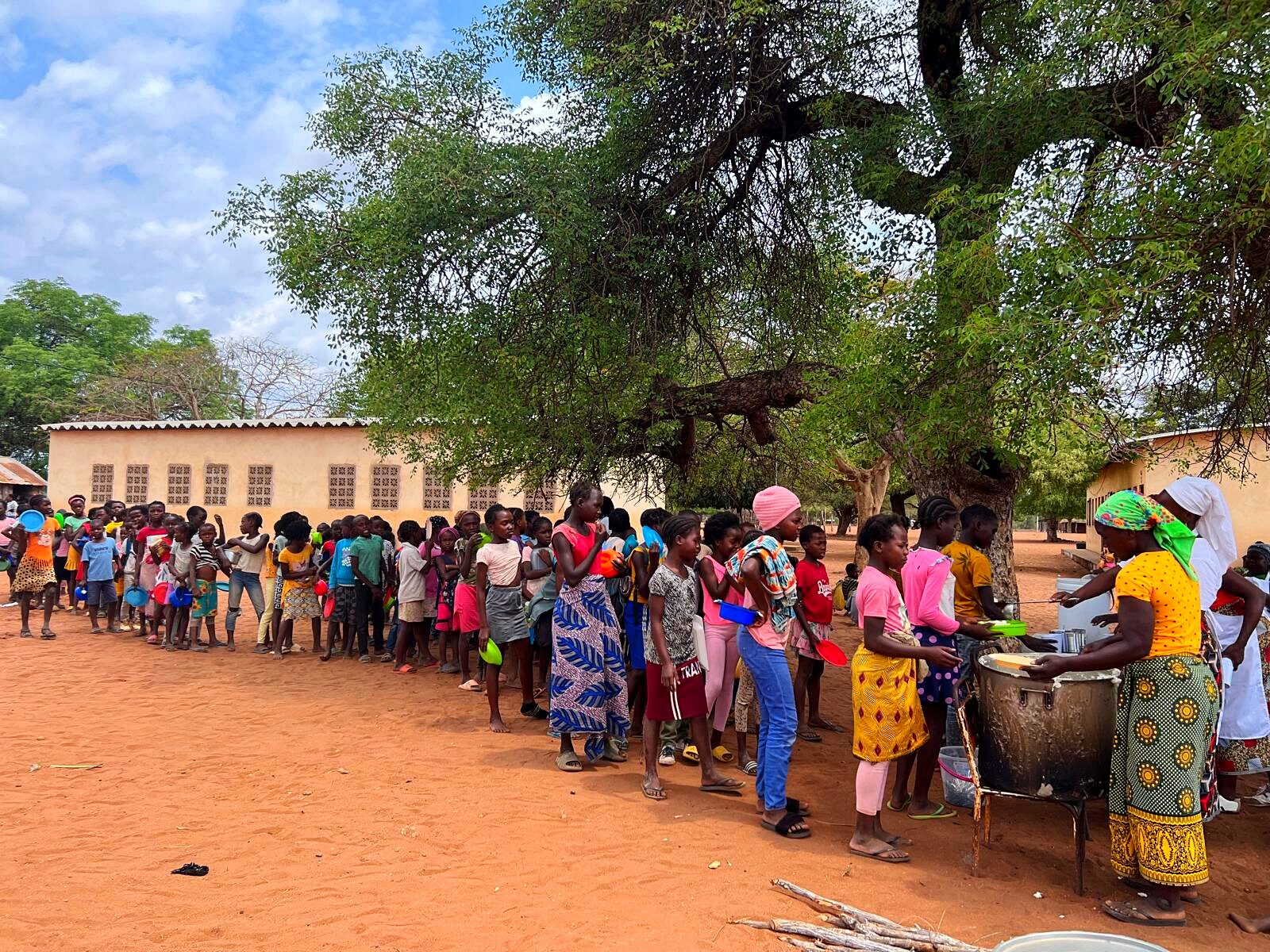
Hunger keeps children out of the classroom.
How one meal changes a trajectory.
A school meal eliminates the child's reason to stay home.
Children no longer have to miss school to work or wait for food.
Attendance becomes reliable.
Families have a daily reason to ensure their child goes to school.
Nutrition supports learning.
Full bellies support a productive learning environment.
Attendance compounds into progress.
Fewer missed days means fewer repeated grades and dropouts.
Food moves the needle.
- Research
A 2021 longitudinal study in Mozambique found that school meals were most strongly linked to fewer dropouts. School meals influenced dropouts more than distance to school, textbooks, reading proficiency or school director attendance.
- Research
The UNESCO 2026 GEM Report on Mozambique shows that schools that introduced on-site meals improved enrollment and attendance, reaching up to 92% in 2024.
Our results
Community preschools
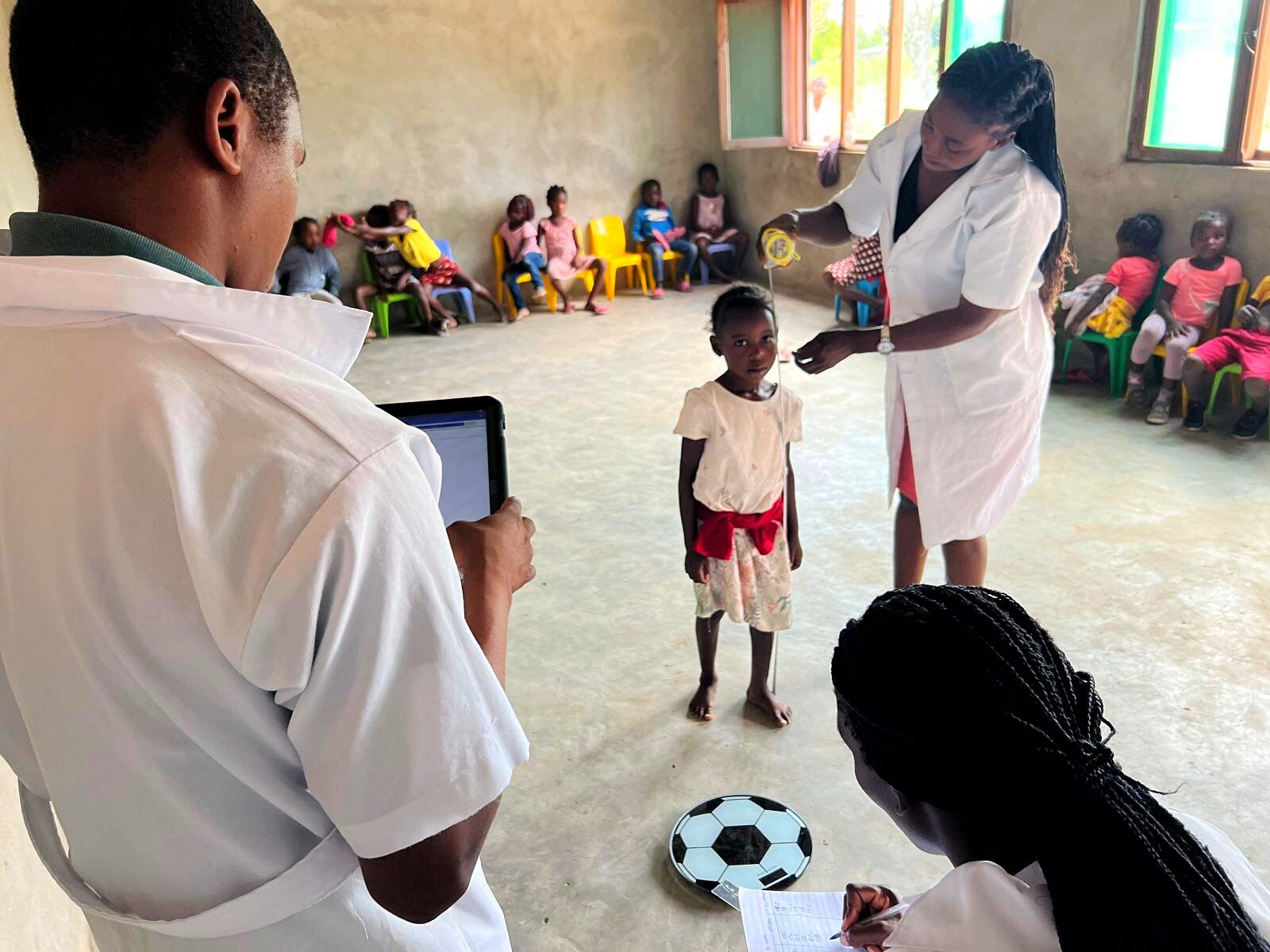
Malnutrition starts early, and so does falling behind.
Eat, play, learn.
Two meals a day.
A fortified porridge breakfast and a hot lunch, every preschool day.
Healthier growth.
Better nutrition in the critical window, with growth measured over time.
Learning through play.
Portuguese, songs, games and early literacy and numeracy.
Ready for first grade.
Healthy, active children who can hold a pencil, count and follow a lesson.
The early years decide a lot.
- Research
Of children aged 2–4 who attend preschool, 71% are developmentally on track, compared with only 33% of those who don't.
- Research
Prior research in rural Gaza Province found that children who attended low-cost community preschools at ages 3–5 were 21 percentage points more likely to enroll in primary school and more likely to start at the right age.
Our results
Bonus effects: older sisters are freed from childcare to attend school themselves.
Avança+
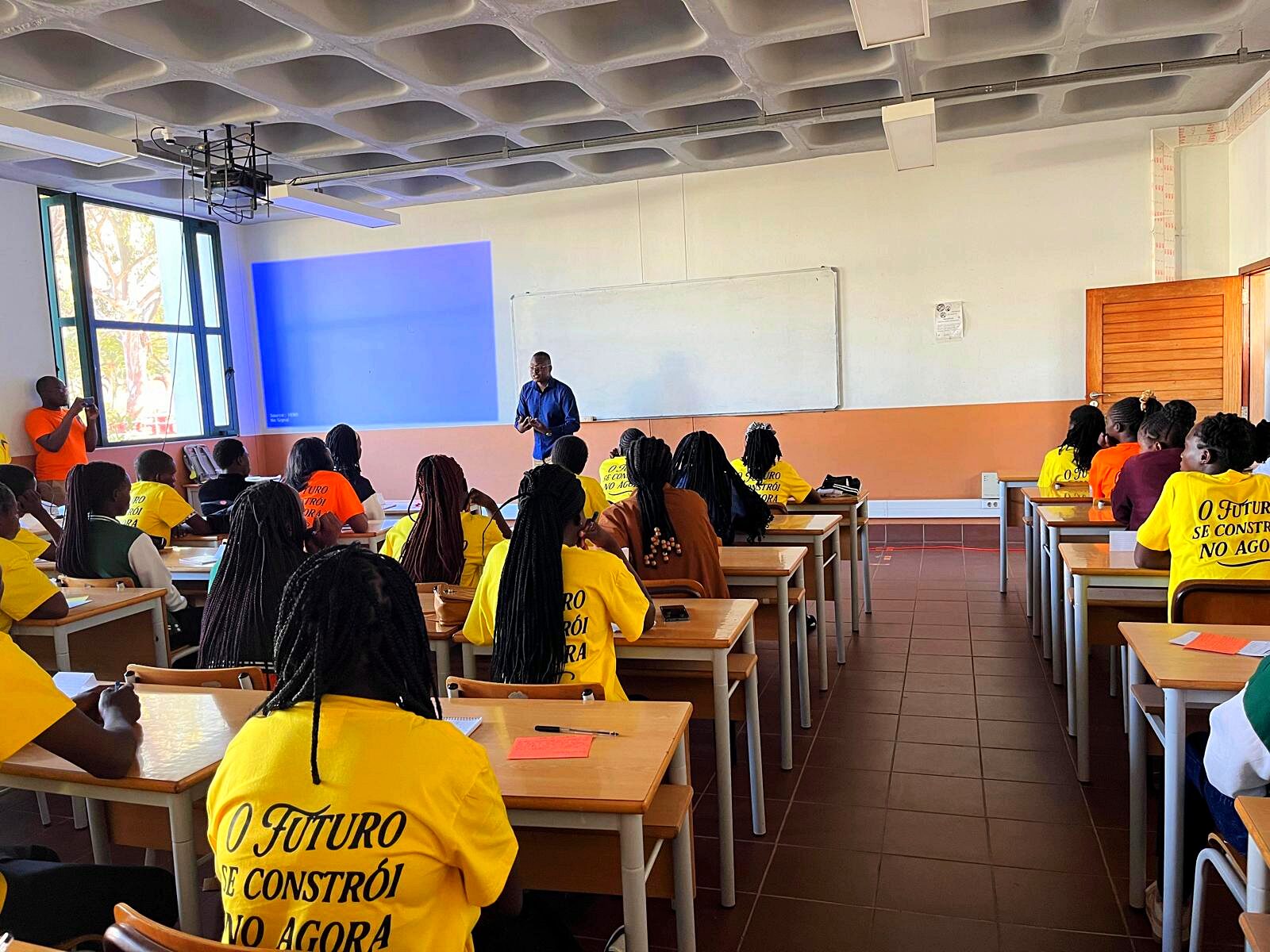
Secondary school is out of reach, and girls pay the highest price.
What keeps an adolescent in school.
Remove the distance.
School buses, or a place at the boarding house.
Keep students fed and healthy.
Daily meals and health sessions.
Mentor through the riskiest years.
Another path to weigh against early marriage or dropping out.
Every year in school counts.
Each year delays marriage and pregnancy.
School is protection.
- Research
According to 2022–23 DHS data, girls with secondary education were 58% less likely to marry before 18 than girls with no education (23% vs. 54%).
Our results
Every number has a source.
Visits every two weeks. Our staff visit every school to check meal quality and record attendance and enrollment, compared against each school's baseline before lunches began.
Tracked over time. We follow health and education indicators (attendance, enrollment, growth and learning benchmarks) year on year.
Clearly labelled. MSLI data marks our own results; Research marks outside evidence, with its source and year.
US$50 feeds a child for a full school year.
The meal is where it starts. Help us reach the next child.
GiveUNICEF (2025). Multidimensional Child Poverty in Mozambique (2014/15–2022): Final Report. Ministry of Planning and Development, UNICEF Mozambique, UNU-WIDER and the University of Copenhagen.
World Food Programme (WFP) (2026). Mozambique.
UNESCO (2026). Global Education Monitoring Report 2026, country case study: Mozambique.
Pontuschka, R. (2025). Exploring the reasons behind primary school dropout in Mozambique: Longitudinal assessment of school dropout in Mozambique 2021. Policy brief. UNICEF Innocenti – Global Office of Research and Foresight.
Global Child Nutrition Foundation (GCNF) (2024). Global Survey of School Meal Programs Country Report, Mozambique. 2022 school year.
Instituto Nacional de Estatística (INE) and ICF (2024). Mozambique Demographic and Health Survey 2022–23.
UNICEF Mozambique (2025). Early Childhood Development Brief. 2 of 11 thematic briefs based on the DHS 2022.
Martinez, S., Naudeau, S. and Pereira, V. (2017). Preschool and Child Development Under Extreme Poverty: Evidence from a Randomized Experiment in Rural Mozambique. World Bank Policy Research Working Paper 8290.
World Bank and UNESCO Institute for Statistics (2020 data). Lower secondary completion rate, Mozambique (indicator SE.SEC.CMPT.LO.ZS). World Bank Gender Data Portal.
Girls Not Brides (2022–23 data). Child Marriage Data. Mozambique DHS 2022–23 (INE and ICF).